Import Offerings

Ceramic Foam Filters, Perlite Ore & Artificial Graphite

To complete our foundry consumables range, Nexus Technologies supplies carefully selected imported materials: SiC and zircon ceramic foam filters for cleaner metal, perlite ore for slag removal and insulating covers, and high-purity artificial graphite for carbon adjustment.

Every consignment is checked by our quality team in Rajkot so you receive consistent, foundry-ready material.

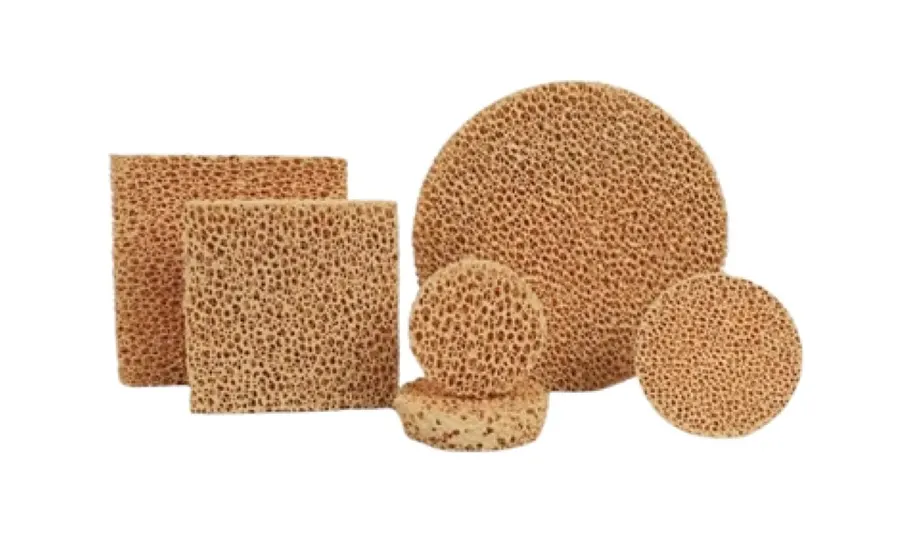
Zircon Foam Filters — Nexus Technologies, Rajkot

Zircon Foam Filters

Zircon foam filters engineered for the rigorous demands of filtering molten steel and high-temperature alloys, with exceptionally high refractoriness and chemical stability for the most aggressive casting environments.

Key Features

  • High Refractoriness: Withstands extreme casting temperatures without degrading or compromising structural integrity.
  • Chemical Stability: Completely non-reactive, ensuring your molten metal remains pure and uncontaminated.
  • Effective Inclusion Removal: Highly efficient at trapping non-metallic impurities to deliver a flawless final casting.
  • Thermal Shock Resistance: Easily absorbs rapid, intense temperature fluctuations without cracking or shattering.
  • Sizes: Wide range of standard dimensions and pore densities (custom configurations on request).

Key Advantages

✓ Superior Steel Quality✓ Defect Reduction✓ Enhanced Mechanics✓ Extreme Heat Reliability
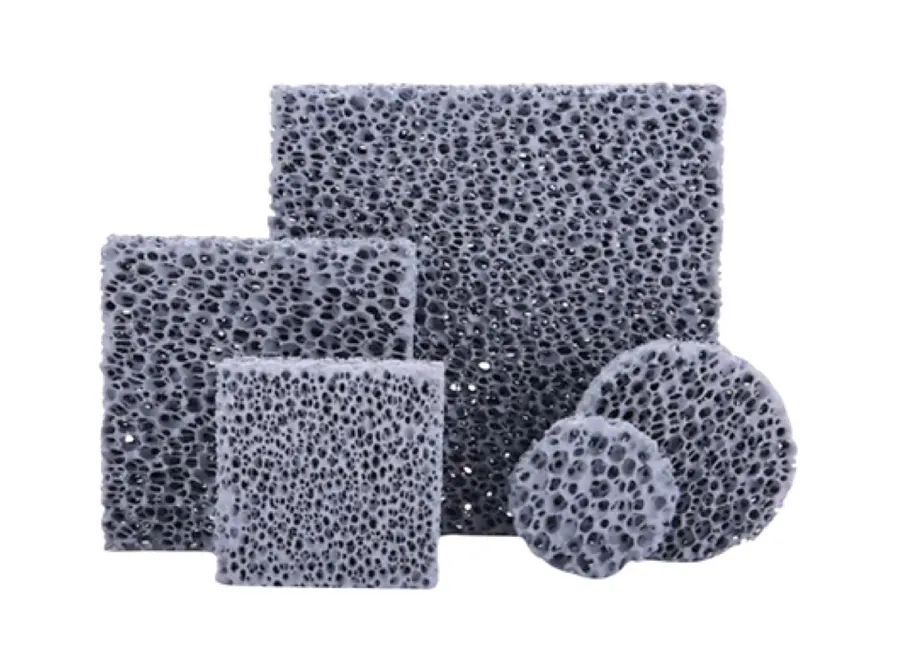
SiC Ceramic Foam Filters — Nexus Technologies, Rajkot

SiC Ceramic Foam Filters

Ceramic foam filters that significantly improve overall casting quality by extracting and eliminating harmful impurities — specially formulated for Gray Iron, Ductile Iron, Steel, and Aluminium across sand and other casting methods.

Key Features

  • Exceptional Filtration: Delivers highly efficient impurity removal for superior metal purity.
  • Thermal Stability: Withstands extreme casting temperatures up to 1450°C without compromising structural integrity.
  • Uniform Flow Control: Ensures a smooth, consistent flow of molten metal into the mold.
  • Defect Reduction: Significantly minimizes common casting defects for a reliable, structurally sound final product.
  • Sizes: Square 40–150mm, Round 30–150mm, thickness 15 & 22mm, 10–30 PPI (custom on request).

Key Advantages

✓ Cleaner Metal✓ Fewer Inclusions✓ Multi-Metal✓ Custom Sizes
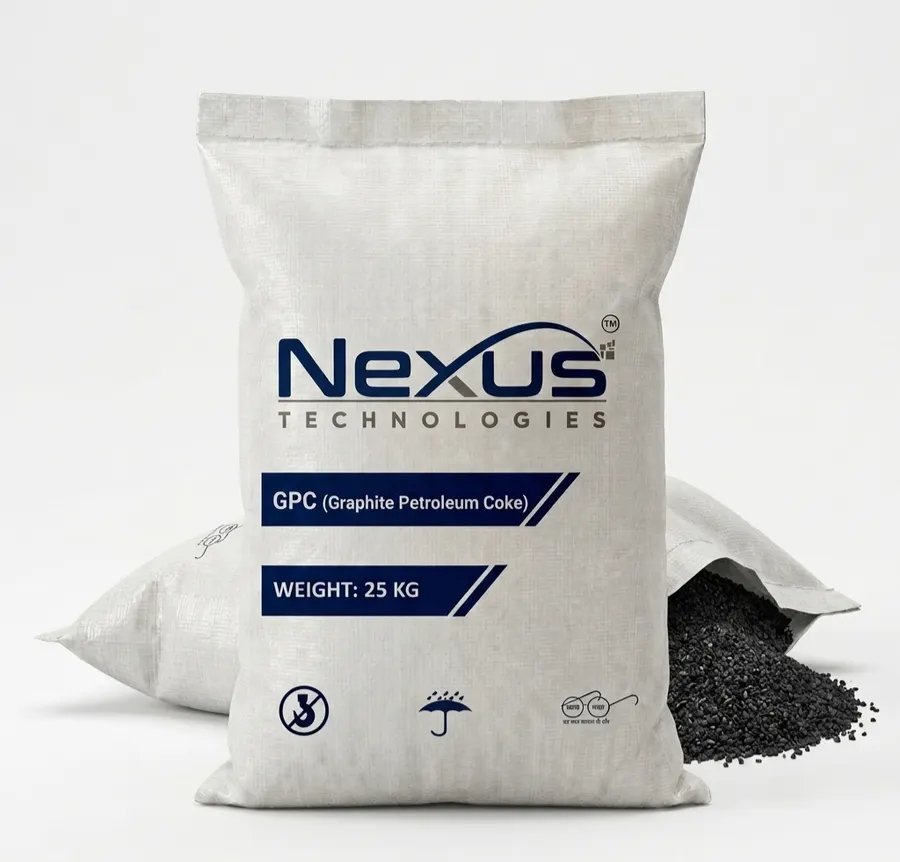
GPC — Artificial Graphite — Nexus Technologies, Rajkot

GPC — Artificial Graphite

High-purity artificial graphite for highly efficient carbon adjustment in steelmaking and foundries.

Key Features

  • Optimal Composition: Delivers 98%–99.5% carbon content with strictly controlled low sulfur, ensuring highly efficient carbon adjustment.
  • Advanced Properties: Engineered with exceptional heat resistance alongside superior thermal and electrical conductivity.
  • Versatile Sizing: Available in fine, medium, and coarse specifications to seamlessly integrate into your exact processing requirements.

Key Advantages

✓ High Carbon Content✓ Low Sulfur✓ High Purity
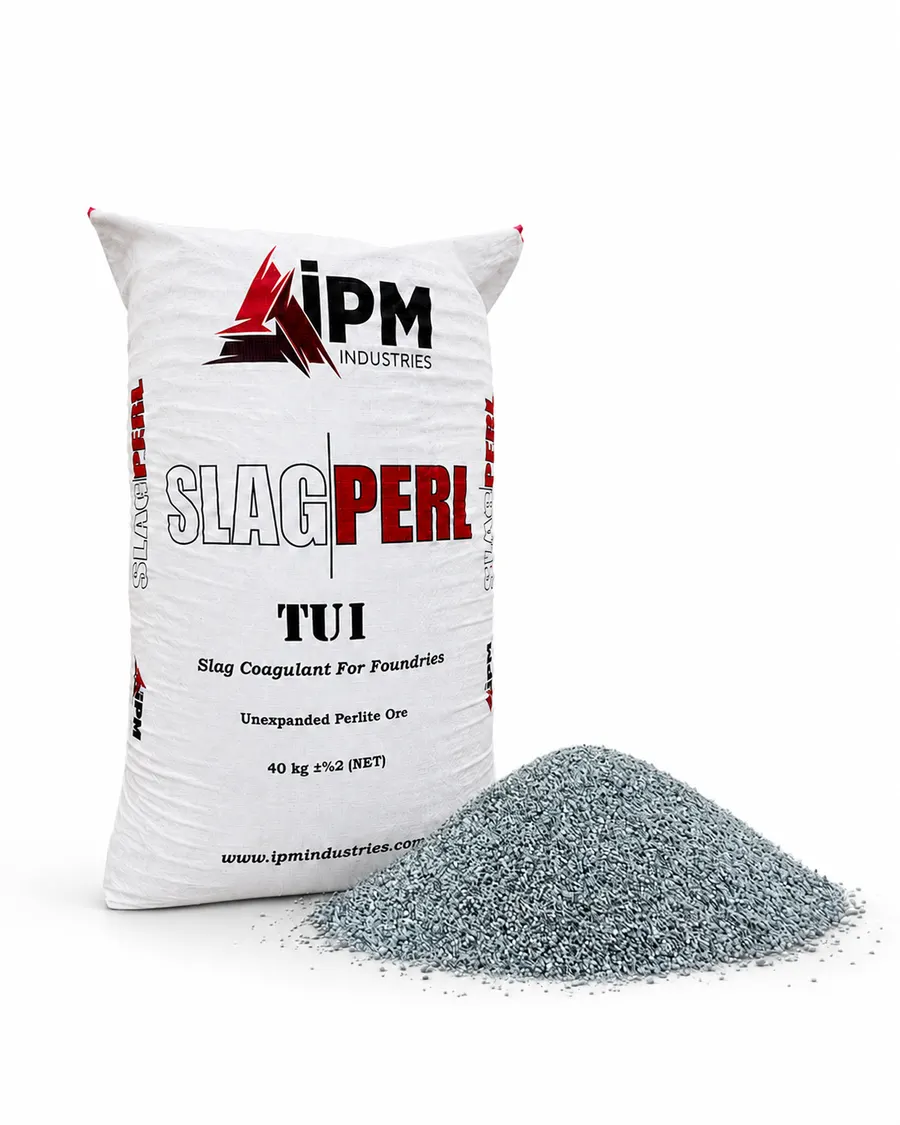
Perlite Ore IPM TU1 — Nexus Technologies, Rajkot

Perlite Ore IPM TU1

Primarily used for efficient slag removal and as a superior insulating cover for applications such as ladle topping, hot topping, risering, and molding sand. It prevents radiant heat loss and significantly enhances the overall performance of your feeding systems.

Key Features

  • Grade: IPM TU1.
  • Efficient Slag Removal: Acts as a superior insulating cover for ladle topping, hot topping, risering, and molding sand.
  • Prevents Heat Loss: Effectively prevents radiant heat loss and enhances feeding-system performance.
  • Multi-Purpose: Assists in ingot topping and serves as a vital component in producing lightweight castables and high-quality refractories.

Key Advantages

✓ Efficient Slag Removal✓ Heat Retention✓ Multi-Purpose
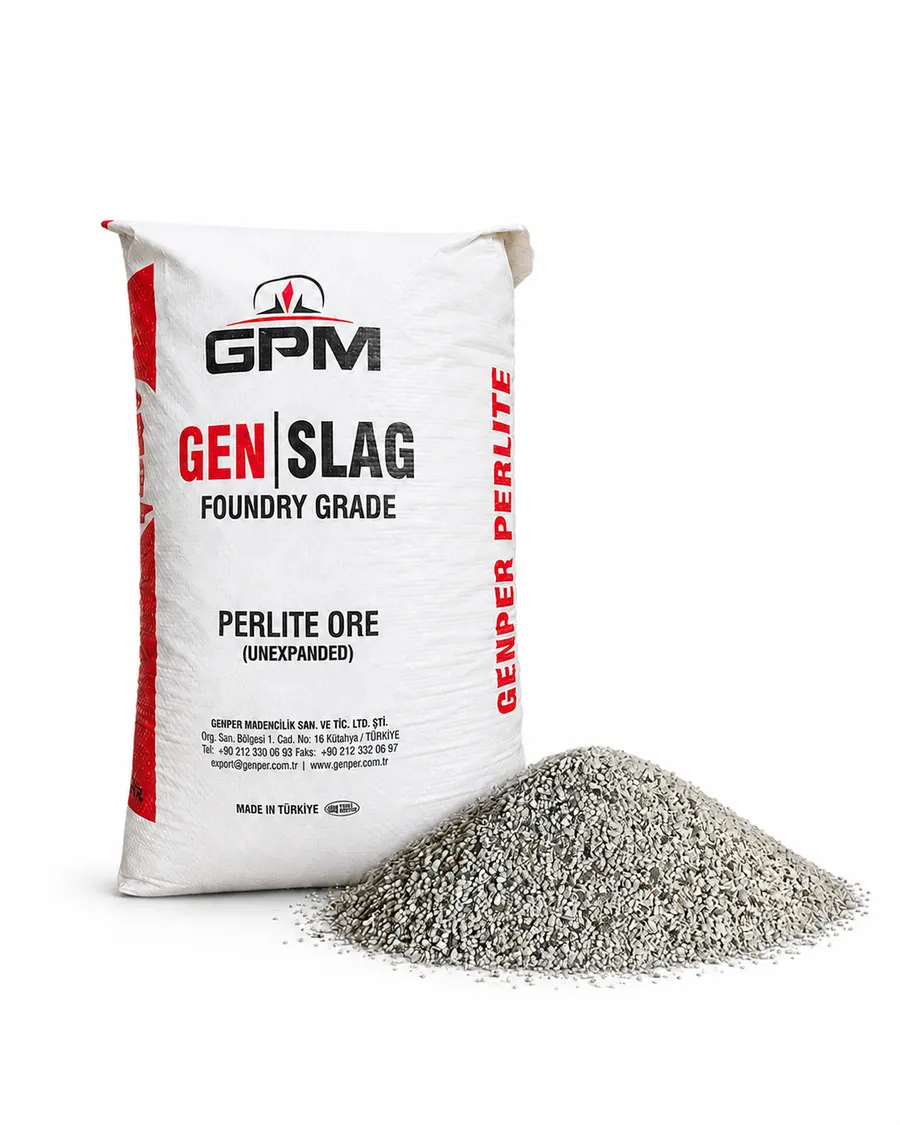
Perlite Ore GPM — Nexus Technologies, Rajkot

Perlite Ore GPM

Primarily used for efficient slag removal and as a superior insulating cover for applications such as ladle topping, hot topping, risering, and molding sand. It prevents radiant heat loss and significantly enhances the overall performance of your feeding systems.

Key Features

  • Grade: GPM.
  • Efficient Slag Removal: Acts as a superior insulating cover for ladle topping, hot topping, risering, and molding sand.
  • Prevents Heat Loss: Effectively prevents radiant heat loss and enhances feeding-system performance.
  • Multi-Purpose: Assists in ingot topping and serves as a vital component in producing lightweight castables and high-quality refractories.

Key Advantages

✓ Efficient Slag Removal✓ Heat Retention✓ Multi-Purpose
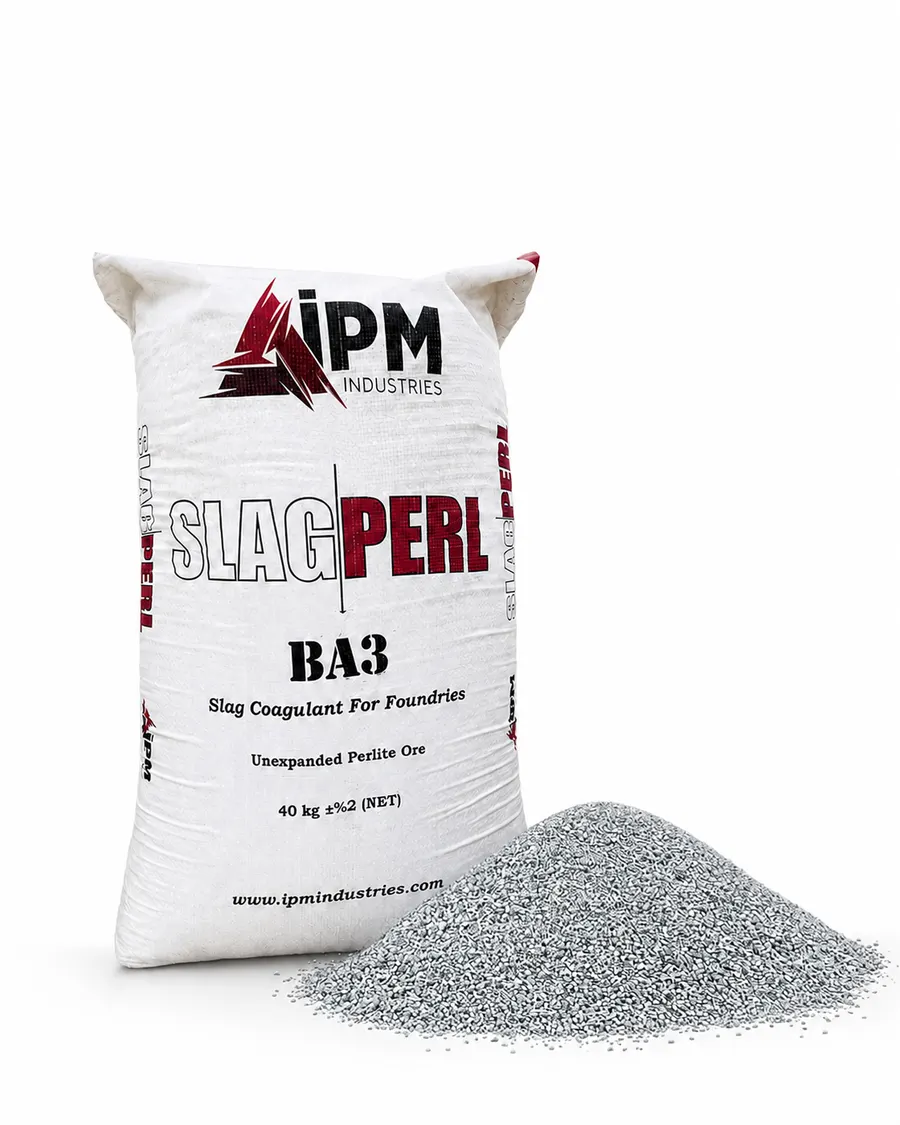
Perlite Ore IPM BA3 — Nexus Technologies, Rajkot

Perlite Ore IPM BA3

Primarily used for efficient slag removal and as a superior insulating cover for applications such as ladle topping, hot topping, risering, and molding sand. It prevents radiant heat loss and significantly enhances the overall performance of your feeding systems.

Key Features

  • Grade: IPM BA3.
  • Efficient Slag Removal: Acts as a superior insulating cover for ladle topping, hot topping, risering, and molding sand.
  • Prevents Heat Loss: Effectively prevents radiant heat loss and enhances feeding-system performance.
  • Multi-Purpose: Assists in ingot topping and serves as a vital component in producing lightweight castables and high-quality refractories.

Key Advantages

✓ Efficient Slag Removal✓ Heat Retention✓ Multi-Purpose

Frequently Asked Questions

Which ceramic foam filter should I use — SiC or zircon?+

SiC ceramic foam filters suit grey iron, ductile iron, steel and aluminium castings. Zircon foam filters are engineered for molten steel and high-temperature alloys where higher refractoriness and chemical stability are needed.

What sizes of SiC ceramic foam filters are available?+

Square 40–150 mm and round 30–150 mm, in 15 mm and 22 mm thickness and 10–30 PPI. Custom sizes are available on request.

What is perlite used for in a foundry?+

Perlite is used for efficient slag removal and as an insulating cover for ladle topping, hot topping and risering, preventing radiant heat loss from the molten metal.